Looking for a quieter island experience close to everything you love about Miami? Bay Harbor Islands is evolving in a way that speaks to privacy, wellness, and waterfront living while staying true to its village scale. If you want a refined home base near Bal Harbour Shops without high-rise bustle, this guide will help you see what is changing and how to evaluate it with confidence. You will learn the core development types, how Bay Harbor compares with Surfside and Bal Harbour, and a practical due diligence plan. Let’s dive in.
Why Bay Harbor Islands is evolving
Bay Harbor Islands is a small, mostly built-out village with very limited land. Scarcity pushes developers toward boutique, low to mid-rise projects instead of large towers. That scale favors personalized floorplans, higher finishes, and amenities tailored to owners, not tourists.
Buyers here are often affluent and privacy minded. You want proximity to Bal Harbour Shops and the wider Miami Beach luxury scene without heavy traffic or dense corridors. The village setting offers that blend of access and calm.
Since 2021, demand for wellness features and high-service living has risen. At the same time, construction, financing, and insurance costs have pushed projects toward smaller, higher-priced homes that can carry premium build standards. Resilience and sustainability now show up in marketing, and you should verify the hard specs behind those claims.
What is being built: key types
Boutique condominiums
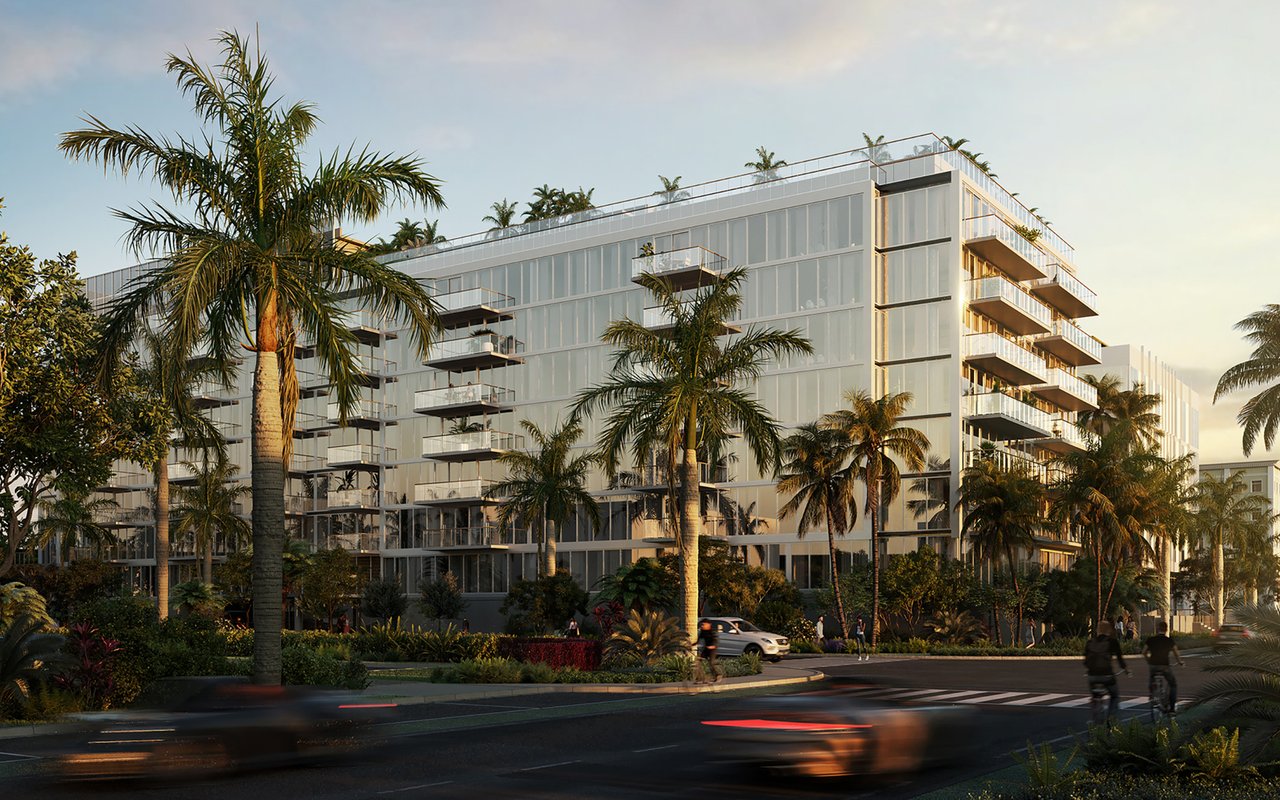
Boutique buildings often range from roughly 20 to 50 residences. Expect privacy, concierge service, and targeted amenities like a fitness studio, a pool, and a rooftop terrace. These projects fit small parcels and can move through approvals more efficiently than large towers.
Who they serve: owner-occupiers who value low-density living and customization, plus investors interested in stable, long-term tenants at the high end.
Wellness-forward residences
Wellness offerings have become a core theme. You may see air and water quality systems, spa and recovery rooms, saunas, movement spaces that open to the outdoors, and circadian lighting. Some buildings partner with wellness brands or engage consultants to design programming and services.
Why it matters: many high-net-worth buyers will pay for real, resident-focused wellness infrastructure. The key is to separate staffed programming and maintained systems from mere design gestures.
Marina and waterfront living
Water-oriented buildings can feature private slips, shared marina access, or adjacency to municipal marinas. Design often prioritizes docking, lifts, and storage, with ground floors suited to marine uses.
Expect more complexity on permitting, environmental review, and slip allocation. The buyer profile skews to boat owners and lifestyle seekers who value direct access to Biscayne Bay and the intracoastal.
Conversion and adaptive reuse
With land scarce, older small buildings are sometimes converted or redeveloped into luxury condos or mixed-use properties. This approach keeps the village fabric intact while delivering new-product appeal.
Bay Harbor vs. Surfside and Bal Harbour
Scale and density
Bal Harbour is known for signature towers and larger sites near a world-class retail destination. Surfside blends older mid-century stock with newer, higher-profile luxury towers. Bay Harbor Islands is smaller and lower-density by design. New product here leans boutique, with exclusivity and neighborhood intimacy.
Amenities and lifestyle focus
Surfside and Bal Harbour often compete on marquee architects, large amenity decks, and multiple dining options. In Bay Harbor, the edge is privacy and precision: customized interiors, wellness rooms and programming, smaller rooftops, and marina access instead of resort-scale amenities.
Value and liquidity
Bay Harbor’s value proposition is exclusivity and calm with quick access to Bal Harbour Shops and the Miami Beach corridor. When you compare investments, weigh price per square foot, rental yield from longer-term tenants, and resale liquidity. Larger tower markets may offer deeper resale pools, while Bay Harbor offers scarcity and village appeal.
Regulations and access
Municipal rules differ. Bay Harbor’s zoning and height limits prioritize residential character. If you are a buyer or investor, confirm the local code, parking minimums, and allowable uses for each specific site.
How to evaluate a Bay Harbor new development
Due diligence checklist
- Entitlements: confirm zoning, site plan approval, and any variances in the Village of Bay Harbor Islands records.
- Permits and timeline: review building-permit status and projected completion or certificate of occupancy.
- Developer track record: look at completed local projects, financial strength, and any litigation history.
- Architect and contractor: assess experience in luxury residential and resilience standards.
- Condo documents: analyze the master deed, bylaws, reserves, assessment language, and rental rules.
- Specifications and warranty: verify elevation, flood mitigation, impact window ratings, HVAC and MEP quality.
- Insurance and operating costs: request HOA budgets, wind and flood insurance projections, and any planned assessments.
Financial and investment metrics
- Price per square foot compared with recent sales in Bay Harbor, Surfside, and Bal Harbour.
- Total cost of ownership: HOA fees, insurance, property taxes, and any financing costs.
- Rental yield: net income assumptions if you plan to lease long term.
- Resale liquidity: days on market and active inventory for comparable product.
Climate resilience and insurance
- FEMA flood zone and base flood elevation for the parcel.
- Elevation of the building and placement of critical systems above flood levels.
- Seawall condition and stormwater management for waterfront sites.
- Resilience features: floodproofing, impact glazing, backup power, elevated HVAC, and parking.
- Insurance clarity: how wind and flood policies affect monthly and annual costs.
Amenity and lifestyle fit
- Amenity-to-unit ratio for true privacy in services like concierge and valet.
- Wellness depth: staffed programming, maintained systems, and evidence of ongoing service.
- Marina details: number and size of slips, deeded versus assigned, maintenance obligations, and permitting history.
Timeline and legal risk
- Construction financing: confirm if lending is secured or if starts depend on presales.
- Phasing: ask about staged amenity openings and temporary construction impacts.
- Local hearings: small communities can see scope adjustments; check public records and meeting minutes.
Practical next steps
- Build your short list by product type: boutique privacy, wellness-forward living, or marina access.
- Request core documents early: HOA budgets, insurance estimates, condo docs, and construction specs.
- Verify resilience: elevations, generator capacity, impact ratings, and location of critical systems.
- Compare across micro-markets: weigh per-square-foot pricing, ownership costs, rental yield, and expected liquidity.
- If slips matter, consult a maritime expert to validate allocations, permits, and upkeep.
- Work with a local specialist who understands developer pipelines, allocation timing, and wellness differentiation.
If you want a curated path through Bay Harbor’s best boutique, wellness, and waterfront options, connect with a broker who has direct developer relationships and on-site experience. For discreet guidance and early access to select presales, reach out to Mariela Hopen. Request Exclusive Access. Hablamos español.
FAQs
What types of new developments are common in Bay Harbor Islands?
- You will mostly see boutique condos, wellness-forward residences, marina-oriented buildings, and creative conversions suited to the village’s small parcel sizes.
How do Bay Harbor amenities differ from Surfside and Bal Harbour projects?
- Bay Harbor emphasizes privacy, customization, wellness rooms, and marina access, while its neighbors often offer larger resort-style amenity footprints and marquee-branded towers.
What should I verify before buying a presale in Bay Harbor Islands?
- Confirm zoning and permits, developer track record, condo documents, resilience specs, insurance projections, and whether construction financing is secured.
Are wellness features worth a premium in Bay Harbor Islands?
- Many buyers will pay for real, staffed wellness programming and high-quality systems, so verify that amenities are operational services rather than just design features.
What are the unique risks in a small island micro-market?
- Expect a smaller resale sample, sensitivity to municipal decisions, and climate or insurance exposure that makes resilience and coverage a key part of due diligence.
How should I evaluate marina access and slips in a project?
- Confirm whether slips are deeded or assigned, the size and number available, the permitting history, and maintenance or usage obligations tied to ownership.