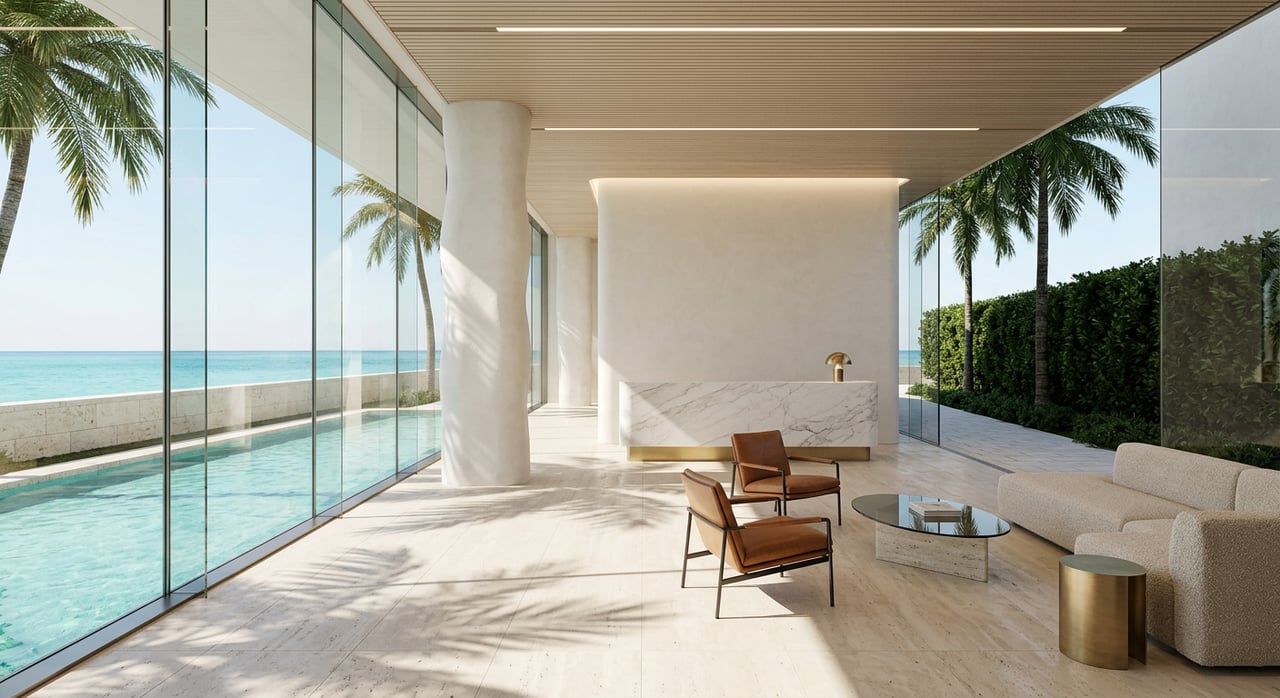
If you have ever stepped into a Sunny Isles Beach lobby and felt the quiet hum of a five‑star hotel, you already know why branded towers turn heads. Choosing between hotel‑style service, designer interiors, or car‑collector amenities can feel exciting and overwhelming at the same time. In this guide, you will see how branding shapes daily life, costs, and long‑term considerations in Sunny Isles. You will also get a simple framework to compare buildings and decide what fits your lifestyle best. Let’s dive in.
Branded residences defined
A branded residence is a condominium tied to a well‑known brand, often a hotel, fashion house, designer, automaker, or lifestyle label. The brand can influence design, amenity programming, and service standards. Industry primers explain how the licensing and management models vary by project and brand strength, which is why outcomes differ by building and location. For a global overview of the sector’s growth and categories, see the latest analysis of branded residences expansion and brand types from Savills and Knight Frank.
Why brands matter
Brands simplify your decision. They signal a service level, a design language, or a signature amenity stack you can count on. Global research shows the segment is expanding and that hotel affiliations still dominate new supply. For buyers who value consistency and turnkey living, a recognized brand can reduce uncertainty and widen future resale demand among international purchasers. Insights from Savills highlight how these factors shape demand and pricing.
How branding shapes daily life
Hotel-branded service model
If you want hospitality at home, hotel‑affiliated residences often deliver 24‑hour attended lobbies, valet, concierge, spa and fitness programs, and resident‑only beach or pool clubs. In many cases, you can add housekeeping or in‑residence dining. Think of it as a private condominium overlaid with consistent hotel standards.
Designer and fashion signatures
Designer partnerships focus on curated interiors, artful public spaces, and a cohesive style narrative. In Sunny Isles, Residences by Armani/Casa showcases Giorgio Armani’s design direction and carefully orchestrated amenity spaces, offering a refined visual identity from lobby to residence. Explore the design story behind the tower via Armani/Casa’s project profile.
Automotive and collector features
Automotive‑branded towers elevate vehicle culture into your home life. Sunny Isles pioneered this with car elevators and private sky garages that allow you to store vehicles adjacent to your living room. For collectors, that hardware is both convenience and identity. New entries continue to refine the concept, which leads to the next wave of automotive‑led living.
Who actually runs operations
Brand on the door does not always mean the brand manages day to day. Some towers are fully operated by the hotel or brand. Others are design‑only licenses while a third‑party manager runs the building. Industry guidance recommends confirming the management agreement and brand license terms before you buy, a point echoed in Savills’ governance notes.
Sunny Isles case study: key towers
Porsche Design Tower
An automotive archetype on Collins Avenue, Porsche Design Tower is known for private sky garages and in‑unit car storage. It helped popularize the car elevator concept in Miami. The building’s identity centers on engineering, privacy, and a collector lifestyle.
Residences by Armani/Casa
A fashion‑led collaboration, this tower foregrounds Armani’s interiors and sophisticated amenity curation. If design coherence and a signature aesthetic matter to you, this is a compelling case study in how a fashion house shapes daily experience. See the build team’s project details on Coastal Construction’s profile.
The Ritz-Carlton Residences, Sunny Isles Beach
A hotel‑branded model that emphasizes hospitality standards, resident club programming, spa and fitness, and elevated beach services. Buyers who value consistent, high‑touch service often gravitate to this style of living.
Acqualina Estates and Ocean Residences
Acqualina blends resort‑quality beachfront living with high‑touch service and private beach programming. The development is often discussed alongside the top hotel‑style offerings in Sunny Isles. Learn more about the residential program at Acqualina’s official site.
Turnberry Ocean Club
Turnberry presents an ultra‑luxury club model with extensive amenity levels and curated resident spaces. It is a useful comparison if you want non‑hotel club programming at the highest level. Explore the amenity vision at the Turnberry Ocean Club site.
Boutique privacy: Regalia and peers
Boutique towers like Regalia focus on privacy, finish level, and bespoke amenities rather than a global brand. If your top priority is discretion and low‑density living, this genre offers a different kind of luxury. See the building’s positioning on the Regalia Estates site.
Pipeline: Bentley Residences
The next wave of automotive‑branded living is represented by Bentley Residences, announced for 18401 Collins. It underscores both the appeal and the timing risk of pipeline product, which is brand‑new but has no resale track record yet. Read the brand’s announcement from Bentley’s newsroom.
Pricing, premiums and resale
Global benchmarks show that branded residences often sell at a premium compared with similar non‑branded luxury condos. Industry reporting commonly cites average premiums in the mid‑20 to mid‑30 percent range, with meaningful variation by brand strength, execution quality, and micro‑location. Use these figures as context, not a guarantee for any specific unit. See the discussion of premiums in Savills’ report.
Who buys branded product? Surveys of prime buyers point to internationally mobile, high‑net‑worth individuals and second‑home purchasers who value turnkey service and a consistent amenity experience. Local, lock‑and‑leave owner‑occupiers also choose these buildings for convenience and staff support. For buyer motivations and demand drivers across markets, review Knight Frank’s sector insights.
On resale, a strong brand can broaden your buyer pool and help during slower cycles. Outcomes still hinge on execution, fees, assessments, and management continuity. Brands are not a shield against market forces, but high‑quality, well‑run buildings often show more resilient demand.
Costs, fees and maintenance
Branded towers typically carry higher operating budgets to support staffing, spa and fitness programming, and food and beverage venues. You will often see that reflected in HOA or maintenance fees measured per square foot per month. That is why comparing true carrying costs across your shortlist is critical. Sector overviews for investors reinforce that service delivery models and brand standards translate directly into operating costs and reserves. For a concise industry primer, see the Hospitality Investor overview of branded residences.
If a tower includes special‑purpose systems, such as car elevators or private pools on terraces, ask about mechanical maintenance, insurance implications, and long‑term capital reserve plans. These features deliver lifestyle benefits, but they also deserve extra diligence.
Governance and brand agreements
License and management agreements define how the brand name is used, the duration of the license, performance standards, and exit or termination provisions. A change in operator or non‑renewal can be disruptive and may require rebranding or upgrades. It is wise to read the condo documents and any related operating agreements before you commit. Securities filings and industry references routinely flag franchise or management termination as a core risk in hospitality‑affiliated real estate. See a representative example of risk language in SEC filings that discuss franchise and management terms, and governance notes summarized by Savills.
A simple way to choose
Hotel-branded: service-first living
- What you get: 24/7 staffing, in‑residence services, resident clubs, curated wellness and beach programs.
- Pros: Turnkey convenience, consistent standards, broad international appeal.
- Consider: Higher carrying costs, operator terms to review, potential limits on short‑term rentals depending on building rules.
Designer-branded: signature style
- What you get: Cohesive interiors, curated public spaces, and aesthetic leadership from a fashion or design house.
- Pros: Distinct identity, timeless finishes, lifestyle programming.
- Consider: Service levels vary by agreement, so confirm what is included and who manages the property.
Automotive-branded: collector amenities
- What you get: Car elevators, private sky garages, and bespoke owner lounges.
- Pros: Unique convenience and status for enthusiasts, rare amenity set.
- Consider: Specialized systems require thoughtful maintenance and reserve planning.
Buyer checklist for Sunny Isles
Before you narrow your list, request and compare:
- Operator and brand documents. Confirm who manages operations and review the license term and standards, as recommended in Savills’ governance guidance.
- Included services vs a la carte. Clarify concierge scope, housekeeping, dining, spa access, and guest suite policies.
- HOA fees and reserves. Compare dollars per square foot per month and review the last two years of budgets.
- Rental rules. If income matters to you, confirm minimum stays and any program restrictions highlighted in sector overviews like Savills’ notes.
- Special CAPEX. Ask about maintenance plans and reserves for unique systems like car lifts or private pools.
- Resale context and pipeline. Consider closed sales history, time on market, and whether a new branded competitor is arriving nearby.
Your next step
If you want the ease of hotel service, the artistry of designer living, or the thrill of an automotive‑led lifestyle, Sunny Isles Beach offers all three. A trusted insider can help you compare brand standards, floor plans, fees, and management agreements so you choose with confidence. For discreet guidance, bilingual support, and access to select presale opportunities across Miami’s barrier islands, connect with Mariela Hopen. Request Exclusive Access.
FAQs
What is a branded residence in Sunny Isles?
- A branded residence is a condo tied to a hotel, designer, automotive, or lifestyle brand that influences service, design, and amenities, as outlined by sector reports from Savills and Knight Frank.
Do hotel-branded condos allow short-term rentals?
- Policies vary by building; some restrict short stays or require specific rental programs, so always verify the condo rules and management agreement, a best practice reinforced in Savills’ governance notes.
How much more do branded towers cost?
- Industry benchmarks often cite mid‑20 to mid‑30 percent premiums versus comparable non‑branded product, with wide variation by brand, execution, and location per Savills.
Are HOA fees higher in branded buildings?
- Often yes, because staffing, spa and fitness programs, and food and beverage operations add to the budget; compare per‑square‑foot monthly fees and reserves, as highlighted in the Hospitality Investor overview.
What documents should I review before buying?
- Ask for the management agreement, brand license, condo budget and reserves, rental rules, and any disclosures on special systems or planned assessments; see governance guidance echoed by Savills and risk language in SEC filings.
How will Bentley Residences impact the market?
- New branded supply can refresh demand and introduce novel amenities, but it also adds competition; follow official updates like Bentley’s announcement and evaluate timing, resale history in peers, and your lifestyle priorities.