If you are choosing between Bal Harbour and Surfside for your beachfront condo base, a few blocks can change your day-to-day experience in a big way. Both towns sit on the same desirable stretch of coastline, but they deliver very different rhythms, amenities, and living patterns. If you want clarity before you buy, this guide will help you compare what each place actually feels like and what to review before you commit. Let’s dive in.
Bal Harbour vs Surfside at a Glance
Bal Harbour is a one-square-mile oceanfront village at the northern tip of Miami Beach with an estimated 2022 population of just under 3,500 permanent residents. Its public profile centers on privacy, luxury shopping, hotels, and a secluded feel. In simple terms, it often reads as a curated luxury enclave.
Surfside is a pedestrian-friendly oceanfront town stretching from 87th Terrace to 96th Street with nearly 6,000 residents. The town emphasizes its public beach, parks, tennis, playgrounds, community center, and compact business district. That gives it a more residential beach-town identity with everyday convenience built in.
What Bal Harbour Feels Like
Bal Harbour tends to appeal to buyers who want a more private, destination-style setting. The village messaging highlights high-end shopping, luxury hotels, and a nearly private beach atmosphere. Some public-space rules also reinforce that sense of exclusivity, including restrictions at Bal Harbour Waterfront Park for registered residents and their guests.
In practical terms, your condo experience here may feel more insulated and service-oriented. If you value quiet surroundings, polished presentation, and a more controlled environment, Bal Harbour often delivers that lifestyle. For many buyers, it feels less like a town center and more like a luxury coastal enclave.
Bal Harbour lifestyle highlights
- Intentionally small village footprint
- Luxury-forward atmosphere
- Strong privacy and enclave feel
- Resort and hotel presence
- High-end retail and dining nearby
What Surfside Feels Like
Surfside offers a different kind of beachfront living. The town presents itself as walkable, community-oriented, and easy to navigate, with a mile of public beach and a broader mix of daily-use amenities. For many buyers, that translates into a more grounded and practical full-time living experience.
You are more likely to notice the everyday rhythm here. Surfside combines residential buildings with parks, recreation, and a compact commercial corridor where errands and casual meals can fit naturally into your routine. It often feels more like a small town by the ocean than a luxury destination district.
Surfside lifestyle highlights
- Pedestrian-friendly layout
- Mile of public beach
- Parks, tennis, and playgrounds
- Community Center with year-round recreation
- Stronger day-to-day convenience
Shopping, Dining, and Daily Errands
One of the clearest differences between these two condo bases is how daily life gets done. Bal Harbour is anchored by Bal Harbour Shops, an open-air luxury retail destination known for designer boutiques, department stores, and fine dining. Current dining options there include Makoto, Carpaccio, Hillstone, Avenue 31 Café, Café en 3, China Grill, Carrie’s at Neiman’s, and Slim’s.
That said, Bal Harbour Shops is also in a major enhancement cycle, and the village issued a February 2026 traffic advisory tied to construction activity at 9700 Collins Avenue. So while the shopping core is a major asset, it is also an active project area rather than a fully static amenity.
Surfside’s Harding Avenue district serves a different purpose. The town’s business district includes a supermarket, banks, pharmacies, boutiques, salons, and a long stretch of restaurants, with more than 20 options noted in the town’s resident guide. Many of those businesses are locally owned, which adds to the neighborhood feel.
Which town is easier for errands?
If you want luxury retail and polished dining close at hand, Bal Harbour has the stronger brand-name appeal. If you want to walk to groceries, services, and casual meals without relying on a resort-style retail environment, Surfside has the clearer advantage. That distinction matters more than many buyers expect, especially if you plan to spend long stretches of time in residence.
Condo Style and Amenity Profile
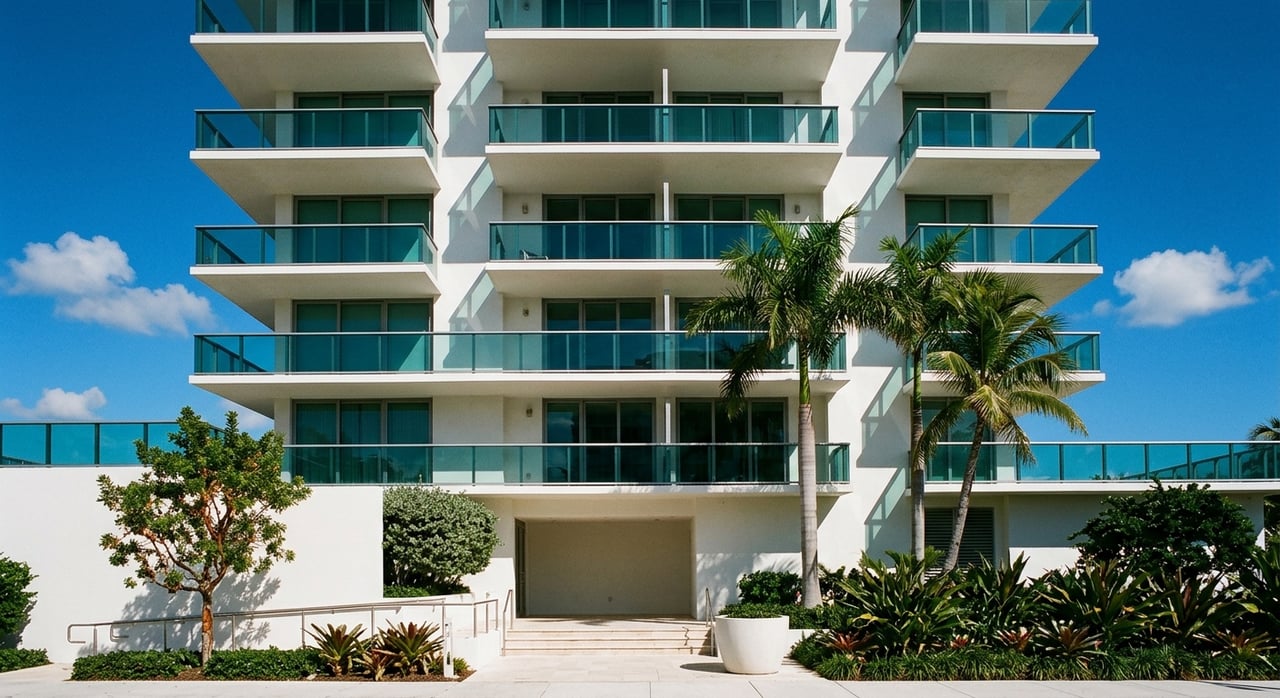
Your building experience may be just as important as your address. In Bal Harbour, the built form east of Collins Avenue is predominantly high-rise residential, hotel, and resort product, with low-rise multifamily west of the corridor. The overall impression is more vertical, more service-driven, and often more hospitality-influenced.
The village fact sheet highlights landmark properties such as the St. Regis Bal Harbour and the Ritz-Carlton Bal Harbour, both of which pair residences with hotel-style amenities like spas, private elevators, full kitchens in suites, and resort dining. That kind of product can create a very seamless ownership experience for buyers who value staffing, service, and convenience within the building itself.
Surfside’s housing profile is more mixed. The town describes a blend of condominium and apartment buildings, with both low- and high-rise forms around Harding Avenue and along the beachside areas. The result is often a more neighborhood-embedded feel rather than a purely resort-oriented one.
Surfside’s public recreation advantage
Surfside adds a layer that some buyers find especially useful for full-time living: the Community Center. Official town information highlights lap lanes, a plunge pool, a slide, multipurpose rooms, a snack bar, and adjacent green space. For buyers thinking about regular use rather than occasional stays, that public recreation component can be a meaningful quality-of-life factor.
Which Base Fits Your Lifestyle?
There is no universal winner between Bal Harbour and Surfside. The better fit depends on how you plan to live, how often you will use the property, and what kind of convenience matters most to you.
Bal Harbour often aligns well with buyers seeking privacy, luxury retail, and a more hotel-like residential environment. It can be especially appealing if you want a polished seasonal base or a second home with a strong service component. The setting is compact, curated, and distinctly high-end.
Surfside often aligns well with buyers who expect to live in the home more consistently and want easier access to daily needs. Its blend of public recreation, walkability, and neighborhood retail gives it a more everyday residential character. If you want a beachfront home that feels integrated into town life, Surfside may feel more natural.
Quick comparison
| Feature | Bal Harbour | Surfside |
|---|---|---|
| Overall feel | Luxury enclave | Residential beach town |
| Population profile | Smaller, under 3,500 estimated residents in 2022 | Nearly 6,000 residents |
| Retail focus | Luxury shopping and fine dining | Everyday services and local dining |
| Recreation style | More private and building-centric | More public recreation and town amenities |
| Common buyer appeal | Seasonal, second-home, privacy-focused | Full-time, convenience-focused |
Condo Due Diligence Matters More Than the ZIP Code
In both towns, condo buying requires building-specific review. Florida law requires milestone inspections for many condominium and cooperative buildings that are three habitable stories or more, generally at 30 years of age and every 10 years after that. In some salt-water-adjacent cases, the local enforcement agency can require the first milestone inspection at 25 years.
Florida law also requires structural integrity reserve studies at least every 10 years for many condo associations that are three stories or higher. In Surfside, buyers also need to understand Miami-Dade’s 40-year recertification framework for buildings subject to it. The town even launched a 2026 grant program to help condo associations cover recertification permit fees.
Bal Harbour buyers should also be aware that the village is in an active capital-improvement cycle. Official village materials say underground utilities are being modernized and that much of the infrastructure dates to the 1940s and 1960s, beyond a 50-year service life. That does not make one building better or worse than another, but it does mean your review should include reserves, maintenance planning, and any exposure to ongoing capital work.
Questions to ask before buying
- What milestone inspections have been completed or scheduled?
- Is a structural integrity reserve study available?
- What are the current reserves and planned assessments?
- Is the building affected by nearby construction or infrastructure work?
- Does the lifestyle of the building match how you plan to use the property?
The Bottom Line on Bal Harbour or Surfside
If you are deciding between the two, think beyond the beach frontage. Bal Harbour offers a more exclusive, destination-driven experience centered on luxury retail, privacy, and resort-style condo living. Surfside offers a more residential and day-to-day livable setting with stronger neighborhood convenience and public recreation.
The smartest choice usually comes from matching the building and the town to your real lifestyle, not just the postcard image. If you want discreet guidance on curated resale opportunities, new development access, or the nuances between these barrier-island micro-markets, Mariela Hopen can help you evaluate the right beachfront base with clarity and care.
FAQs
What is the main lifestyle difference between Bal Harbour and Surfside?
- Bal Harbour generally feels more private, luxury-focused, and resort-oriented, while Surfside generally feels more residential, walkable, and centered on everyday convenience.
Which town is better for full-time condo living, Bal Harbour or Surfside?
- Based on each town’s amenity mix, Surfside often appeals more to full-time residents because of its public recreation, walkable business district, and day-to-day services.
What makes Bal Harbour attractive for condo buyers?
- Bal Harbour stands out for its small-scale village setting, luxury shopping, hotel-style residential environment, and strong sense of privacy.
What should condo buyers review in Surfside or Bal Harbour buildings?
- You should review milestone inspections, structural integrity reserve studies, reserves, planned assessments, maintenance schedules, and any active construction or capital-improvement exposure.
Are Bal Harbour and Surfside both condo-heavy markets?
- Yes, both towns have significant condominium inventory, which is why building-specific due diligence is just as important as choosing the location itself.