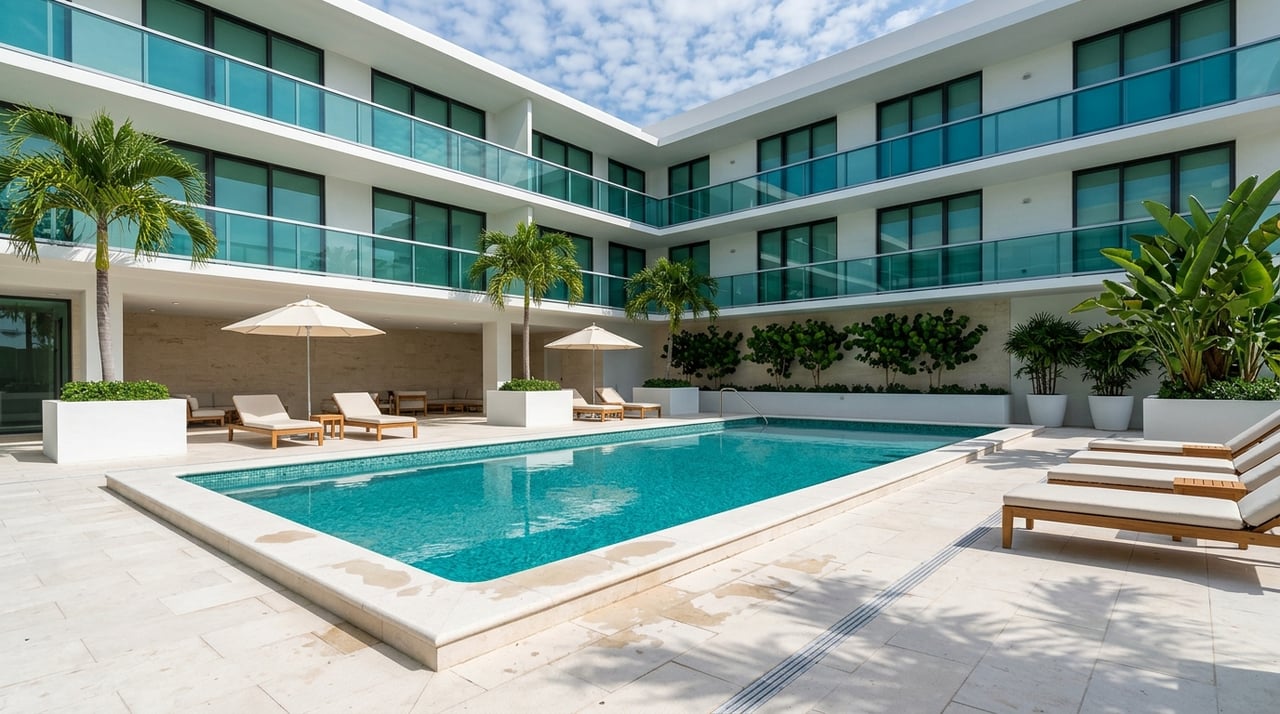
If you want oceanfront living without the constant intensity of a larger resort district, Surfside stands apart. This small beachfront town offers a more intimate rhythm, where daily life can revolve around the beach, a walkable town core, and a residential atmosphere that feels notably calmer than its larger neighbors. If you are considering a condo here, it helps to understand what makes Surfside boutique in both scale and lifestyle. In this guide, you’ll get a clear look at how Surfside lives day to day, what kinds of condo settings you’ll find, and what to review before you buy. Let’s dive in.
Why Surfside Feels Different
Surfside is physically small, and that shapes everything about the experience of living there. The 2020 Census lists just 0.56 square miles of land and 5,689 residents, which gives the town a true village-scale feel when compared with Miami Beach’s much larger footprint.
That smaller scale shows up in practical ways. Town materials describe Surfside as a pedestrian-friendly oceanfront community with nearly 6,000 residents, a mile of public beach, and a two-block business district. Instead of feeling spread out or heavily urban, the town reads as compact, curated, and easy to navigate.
Surfside also carries a strong sense of continuity. Incorporated in 1935 by 35 members of The Surf Club, the town still highlights its historic identity, including the landmark Surf Club property that later became the Four Seasons Hotel at The Surf Club.
Boutique Beachfront Living in Practice
The phrase “boutique beachfront lifestyle” can sound vague until you see how it works in real life. In Surfside, it means your beach, daily errands, wellness options, and dining choices are all unusually close together for an oceanfront market.
The town’s mile-long public beach is not just a weekend feature. It is part of everyday life, supported by beach access points, lifeguard guidance, a beach warning flag system, and wheelchair access at the 88th and 96th Street entrances. The town also offers a beach wheelchair for residents and hotel guests.
For many buyers, this creates a lower-friction lifestyle. You can step into a day that includes a beach walk, coffee or lunch nearby, and a quick return home without planning around long drives or crowded corridors.
Walkability Shapes the Experience
Surfside officially describes itself as pedestrian-friendly, and the layout supports that claim. Walking paths, bike paths, parks, and landscaped public spaces help connect the beachside setting with the residential and commercial parts of town.
The oceanfront bike path runs from 87th Terrace to 96th Street and parallels the walking path. Citi Bike stations along Harding Avenue and Collins Avenue add another practical option for getting around locally.
This is one reason Surfside appeals to buyers who want convenience without giving up privacy. The town lets you stay local for many of the routines that often require a car elsewhere.
A Small but Useful Town Core
Harding Avenue is Surfside’s compact commercial center. The town describes it as a two-block business and commercial district filled with restaurants, boutiques, and services, many run by small business owners.
That matters because boutique living is not only about architecture or exclusivity. It is also about being able to live well within a smaller footprint, with daily essentials and casual pleasures close at hand.
Dining and Wellness Close to Home
Surfside offers a mix of destination dining and practical everyday options. Town listings include Cine Citta Caffe, La Plage, Lido Restaurant at The Surf Club, Street Kitchen, The Carrot, Starbucks, plus kosher groceries and cafes.
For a buyer considering full-time or part-time use, this mix supports a lifestyle that can feel both polished and easy. You have options for a refined oceanfront meal, but you also have simple places to grab coffee, pick up groceries, or keep daily routines close to home.
Wellness is another noticeable part of the local experience. The oceanfront Community Center includes lap lanes, a plunge pool, a slide, a jacuzzi, multipurpose rooms, a snack bar, and year-round programming.
The town also highlights a range of spa and wellness offerings, including salons, a medspa, and The Surf Club Spa, where amenities include yoga, Pilates, steam, sauna, and aqua fitness. For buyers who value health-oriented routines, that concentration of amenities adds another layer to Surfside’s appeal.
What Condo Living Looks Like Here
Surfside’s residential fabric includes a mix of condominium and apartment buildings, along with nearby branded oceanfront architecture along Collins Avenue. Town materials specifically point to the Four Seasons Hotel at The Surf Club, Fendi Chateau, and ARTE, while also noting quieter residential blocks and art deco homes west of Byron Avenue.
This mix is part of what gives Surfside its range. You can find oceanfront buildings that feel highly elevated and design-forward, while the overall town setting remains more intimate than a larger high-rise district.
What often feels most boutique in Surfside is not just the building itself, but the context around it. A residence may sit within a town that remains compact, regulated, and easier to experience on foot than many other waterfront markets in Miami-Dade County.
A Curated Building Environment
Surfside is not an open-ended growth story. Town code and planning rules show careful control over building form, including height, setbacks, awnings and canopies, materials and finishes, rooftop mechanical equipment, and parking relationships.
For buyers, that helps explain why the town often feels visually orderly and intentionally shaped. The built environment is regulated in a way that supports a more curated streetscape rather than unchecked vertical development.
Surfside vs. Miami Beach and Bal Harbour
Buyers often compare Surfside with nearby coastal markets because the geography is so close, but the lifestyle distinctions are meaningful. Surfside sits between Miami Beach and Bal Harbour, yet it has a notably different rhythm.
Compared with Miami Beach, Surfside feels smaller, more residential, and less urban in scale. The census difference alone is dramatic, with Surfside at 0.56 square miles of land versus Miami Beach at 7.69 square miles.
Surfside’s compact footprint can translate into a quieter day-to-day experience. You still have beachfront living and access to luxury surroundings, but the setting tends to feel more local than a larger resort corridor.
Compared with Bal Harbour, Surfside shares proximity to luxury oceanfront living but has its own identity as a town with a public beach, local business core, civic amenities, and a broader mix of residential formats. For some buyers, that balance is exactly the appeal.
Who Surfside Suits Best
Surfside can work well for both full-time residents and second-home owners. The town’s beach access, walkability, and local convenience support daily living, while its barrier-island location and short drive to Miami and Hollywood International airports also make it practical for part-time use.
Its demographic profile also helps explain the market’s international feel. Census data show a 74% owner-occupied housing rate, with 36.9% foreign-born residents and 61% of residents speaking a language other than English at home.
For many buyers, that creates a market that feels residential, globally connected, and comfortable for bilingual service. That can be especially relevant if you are relocating, purchasing a second home, or navigating the market from abroad.
Condo Due Diligence Matters Here
In Surfside, lifestyle appeal should always be matched with careful condo review. Florida requires milestone inspections and structural integrity reserve studies for qualifying condominium and cooperative buildings that are three stories or higher.
In Miami-Dade County, the recertification program applies at 25 years for coastal buildings and every 10 years after that. The state also says these inspection reports and reserve studies are part of the association’s official records and must be provided to potential purchasers.
This means a condo purchase here should include a close look at the building’s records, not just the unit and views. In a market where many buyers are focused on oceanfront living, it is especially important to understand the building’s maintenance, reserves, and compliance history.
Records to Review Before Buying
When you evaluate a Surfside condo, ask for key association documents early in the process. This helps you understand both present conditions and potential future obligations.
A practical review list may include:
- Milestone inspection reports, when applicable
- Structural integrity reserve studies, when applicable
- Miami-Dade recertification records for qualifying coastal buildings
- Association budgets and reserve information
- Official association records provided to prospective purchasers
A well-informed purchase is about more than aesthetics. It is about understanding how the building is being managed and what that may mean for your ownership experience.
Why Surfside Continues to Attract Attention
Surfside offers something increasingly rare on Miami’s barrier islands: beachfront living in a town that still feels intimate. You get public beach access, a compact local business district, wellness amenities, and a residential atmosphere that can feel more personal than larger neighboring markets.
For buyers who value privacy, walkability, and a curated coastal setting, Surfside checks a very specific box. It is not trying to be the biggest or busiest beachfront destination. Its appeal comes from being smaller, more navigable, and easier to live in day after day.
If you want a thoughtful view of Surfside’s boutique condo opportunities, from branded oceanfront residences to curated resale options, Mariela Hopen offers discreet, high-touch guidance shaped by deep experience across Miami’s barrier-island markets.
FAQs
What makes Surfside condo living feel more boutique than Miami Beach?
- Surfside is much smaller in scale, with 0.56 square miles of land and 5,689 residents, plus a compact town core, mile-long public beach, and more residential day-to-day feel than Miami Beach.
What types of residential buildings are common in Surfside?
- Surfside includes a mix of condominium and apartment buildings, along with notable oceanfront architecture on Collins Avenue and quieter residential areas west of Byron Avenue.
What can you walk to in Surfside’s town center?
- Surfside’s Harding Avenue business district includes restaurants, boutiques, and services, while the broader town also offers beach access, bike paths, parks, and wellness-oriented amenities.
What condo documents should a Surfside buyer review?
- Buyers should review applicable milestone inspection reports, structural integrity reserve studies, Miami-Dade recertification records, association budgets, reserve information, and other official association records available to prospective purchasers.
Is Surfside better for full-time living or a second home?
- Surfside can suit both, thanks to its walkable local amenities, public beach access, residential atmosphere, and convenient access to Miami and Hollywood International airports.