If you are searching for a part of Miami that feels more like a village than a fast-moving city district, Coconut Grove deserves a close look. Its appeal is not just about luxury pricing or bay views. It is about living in a low-rise, tree-canopied neighborhood where parks, marinas, dining, and daily errands feel connected and walkable. If you are considering a move, understanding how the lifestyle and housing options actually work can help you decide whether the Grove fits your goals. Let’s dive in.
Why Coconut Grove Feels Village-Like
Coconut Grove is often described as Miami’s oldest neighborhood, and that long history still shapes how it feels today. According to Miami & Miami Beach, the area is known for banyan trees, palms, live oaks, and quiet residential streets that create a lush, tropical setting.
That village feel also comes from its scale. The commercial core is intentionally compact rather than dominated by a dense high-rise grid. The Coconut Grove Business Improvement District works with the City of Miami to protect and enhance that village-style center, while places like CocoWalk anchor shopping and dining in an open-air environment.
History adds another layer. Miami & Miami Beach notes the neighborhood’s Bahamian roots dating back to the 1870s, along with the heritage of the historic Black community often called Little Bahamas. In practical terms, that means Coconut Grove offers more than scenery. It carries a strong sense of place.
Outdoor Living Shapes Daily Life
For many people relocating to Coconut Grove, the lifestyle starts outdoors. Bayfront parks help define the neighborhood, and Miami & Miami Beach highlights places like Peacock Park, David T. Kennedy Park, and Regatta Park as central parts of daily life.
If you enjoy being near the water, boating is not just a weekend extra here. The City of Miami says Dinner Key Marina has about 582 wet slips, and Miami & Miami Beach identifies it as Florida’s largest marina and a hub for sailboats and regattas. That helps explain why the Grove feels tied to the bay in a very real way.
The Barnacle adds another dimension to that experience. The Barnacle Historic State Park is known for its bayfront setting, tree-lined paths, picnic areas, and sailboat views. If your ideal Miami lifestyle includes fresh air, green space, and easy access to the water, Coconut Grove stands apart.
Dining and Errands Stay Close to Home
A village-style lifestyle works best when you do not need to leave the neighborhood for everything. Coconut Grove supports that kind of routine with a strong local dining and shopping mix concentrated around its walkable core.
Miami & Miami Beach highlights restaurants such as Ariete, Los Felix, Bayshore Club, Bellini, Peacock Garden Bistro, and Glass & Vine. The BID directory also includes spots like Amal, Bartaco, Bodega Taqueria y Tequila, Carbone Vino, and Chug’s.
For a relocation buyer, this matters because it supports a neighborhood-first lifestyle. You can picture mornings in the park, lunch close to the marina, and evenings out without feeling like every plan requires a long drive. That is a meaningful part of what people mean when they call Coconut Grove village-style.
What Homes in Coconut Grove Look Like
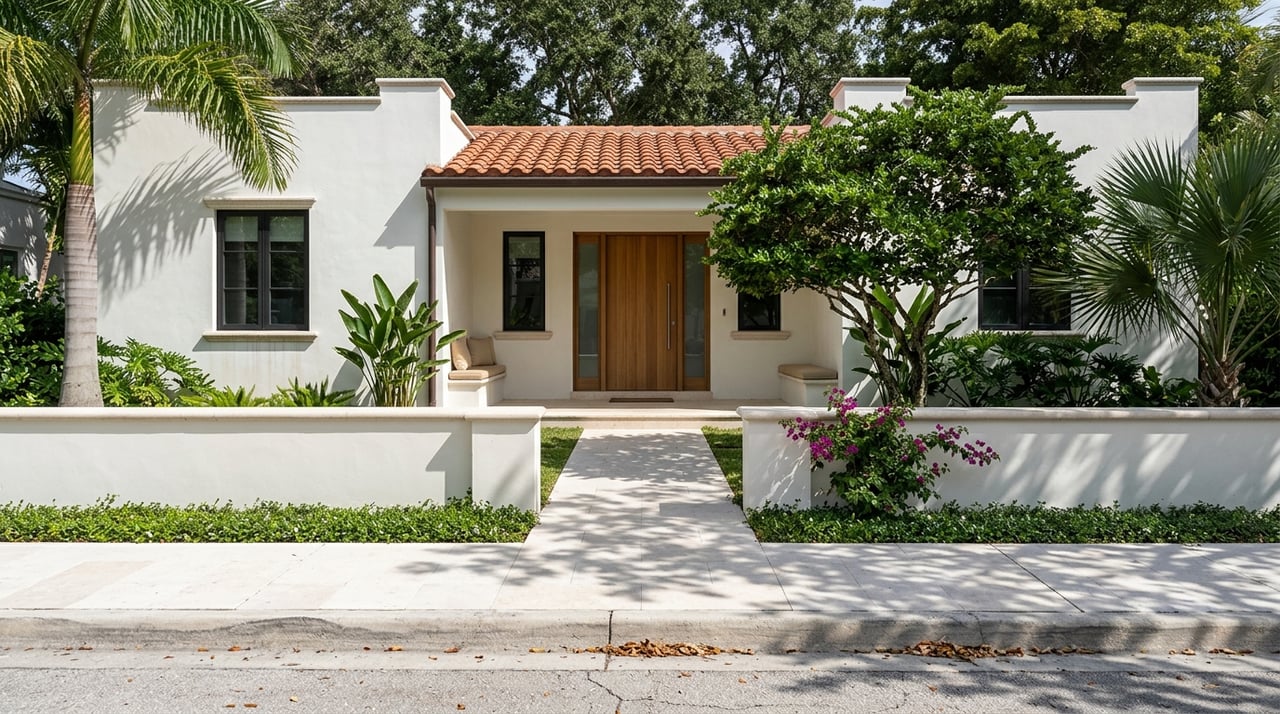
Coconut Grove is not a one-format housing market. It includes single-family homes, smaller multifamily pockets, and condo submarkets, which means your options can vary a lot from one part of the neighborhood to another.
A City of Miami planning workshop handout says that in the relevant neighborhood conservation district areas, 61% of addresses are residential and single-family uses are the most common. The same City of Miami planning material notes that duplex, triplex, and multifamily uses are more concentrated between SW 27th Avenue and Charles Avenue in Center Grove.
This helps explain why Coconut Grove often feels more residential and lower-scale than other parts of Miami. The neighborhood conservation rules were written to preserve its historic character, landscaping, architectural variety, and tree canopy. If you are expecting a uniform tower district, that is not what you will find here.
Understanding the Market at a High Level
Coconut Grove sits at the premium end of Miami’s housing market, but it is best understood as a lifestyle-driven submarket rather than a neighborhood with one simple price point. Different market trackers measure different things, so values can look different depending on whether a source is showing listing prices or closed sales.
Realtor.com reports a February 2026 median listing price of $2.5 million, a median rent of $6,500, 357 active listings, 78 median days on market, and a 95% sale-to-list ratio. The same source also shows a range of submarkets including Grove Center, Bird Grove East, Sailboat Bay, Yacht Harbour, Grove Towers, and Grovenor House.
For you as a buyer, the key point is not to anchor on one headline number. Coconut Grove includes very different property types, ownership costs, and lifestyle benefits. A bayfront condo, a renovated single-family home, and an older residence with future renovation plans can each tell a very different story.
Condo Buyers Need Extra Due Diligence
If you are considering a condominium in Coconut Grove, document review should be a core part of your search. Florida condo purchases are detailed, and the records matter.
The Florida Department of Business and Professional Regulation says associations must keep official records for at least seven years and make them available for inspection within 10 working days of a written request. According to the DBPR’s official condominium records guidance, those records can include the declaration, bylaws, rules, financial information, permits, contracts, inspection reports, and reserve-related materials.
Recent condo-law changes also affect ownership costs and planning. The DBPR explains that milestone inspections and Structural Integrity Reserve Studies are required for many condominium buildings that are three or more habitable stories high, and that insufficient reserves can lead to assessments or financing needs.
If you are relocating and want a clearer picture before closing, it is wise to review the association package with your Florida real estate attorney, lender, and insurance professional. In older bayfront buildings especially, reserves, inspections, and future capital needs can materially affect your total cost of ownership.
Single-Family Buyers Should Check Renovation Rules
Single-family homes can offer privacy, outdoor space, and a more classic Grove feel, but you should not assume every property can be expanded or rebuilt without limits. Coconut Grove’s neighborhood conservation rules are designed to preserve the area’s low-density, heavily landscaped character.
The City of Miami’s NCD-3 regulations limit single-family height to 25 feet and include rules tied to tree canopy and landscaping. City materials also note that demolition permits require a waiver and a tree survey by a certified arborist, and that some variances or exceptions can require additional notice and review.
That means renovation potential should be evaluated early, ideally before your offer becomes final. If your relocation plan includes a major remodel, expansion, or teardown strategy, property-specific due diligence is essential.
Is Coconut Grove Right for Your Move?
Coconut Grove can be a strong fit if you want Miami access without giving up a quieter, more established neighborhood feel. The combination of bayfront parks, marina life, mature trees, and a compact commercial core creates a daily rhythm that feels distinct from many other luxury submarkets.
It may be especially appealing if you value lifestyle over speed, and character over uniformity. At the same time, buyers should go in with a clear understanding that this is an expensive market where details matter. Housing type, building documents, reserve funding, and local conservation rules can all shape the ownership experience.
If you are planning a move to Coconut Grove and want discreet, property-specific guidance, working with an advisor who understands Miami’s luxury micro-markets can help you narrow the right fit. To explore your options with tailored support, connect with Mariela Hopen.
FAQs
What makes Coconut Grove feel like a village in Miami?
- Coconut Grove feels village-like because of its low-rise layout, tree-canopied streets, compact commercial core, bayfront parks, and long-standing emphasis on history, landscaping, and open space.
Is Coconut Grove mostly condos or single-family homes?
- Coconut Grove has a mixed housing stock, but City of Miami planning materials say single-family uses are most common, with multifamily concentrations in parts of Center Grove and condo-heavy submarkets in the broader neighborhood.
Is boating part of everyday life in Coconut Grove?
- Yes. Dinner Key Marina, sailboats, regattas, and nearby bayfront parks are central to the neighborhood’s identity and everyday lifestyle.
What should condo buyers review before buying in Coconut Grove?
- Condo buyers should review association records, budgets, reserve information, inspection reports, Structural Integrity Reserve Study status, and rules related to leasing, pets, or renovations.
Can you freely renovate or tear down a house in Coconut Grove?
- Not always. Some properties are affected by neighborhood conservation rules that protect tree canopy, landscaping, and neighborhood character, so renovation or demolition plans should be checked carefully before closing.